Since the pandemic started as well all know its difficult for people to.go out and work. When COVID-19 forced companies and employees all over the world to send their employees home to work virtually work from home is a regular thing .Working from home differs the way we work and the way we interact with other members of our house including our spouse kids and elderly parents. Workers are at home for a greater portion of the day for the whole day and that takes getting used to it.. How working from home impacts workers and employers will determine whether it becomes the new normal or whether we revert to the old normal once a vaccine is distributed. COVID-19 has forced upon us a grand experiment in working relations.

One of the difficulties for workers in the initial months of the pandemic was the demarcation problem they did not know when to quit, close the computer, and relax. The house is the office so the workday becomes the whole day. In the old normal it was easier .you went home. The office was for work and home was for leisure. Many workers are now getting the message. They are being more disciplined, closing the email, and not agreeing to a video chat after dinner.For many employers, work from home has always made them uneasy because of the monitoring problem. How does a manager know that a worker is working and not napping or snacking or otherwise goofing off? The argument has been that managers should monitor output, not hours at the desk. This, of course, is easier said than done
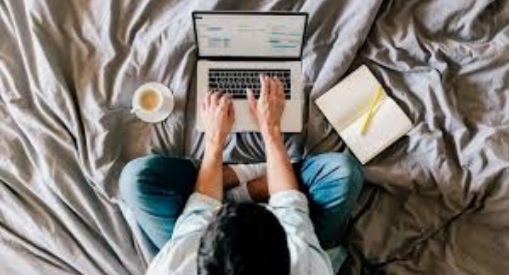
As we know there are economic benefits for employers. Additional time working, instead of commuting, increases output. Also, if working from home is practiced on a sufficient scale it can reduce rental costs as employers transition to digital space, reducing the need for physical space. This can work even if all workers do come to the office, just not all at the same time. It means moving away from designated desks. I use this desk today but tomorrow, when I am at home, my colleague will use it. Laptops, shared file storage, and the paperless office makes these arrangements feasible.After the pandemic, workers and companies will have to decide whether or not to return to in-office work.

Hence COVID-19 has made us aware of the possibilities and consider the implications for costs, productivity, and work-life balance. More office workers and employers may see it as a do-able work option and use it more frequently.

 gradual shift of society from offlline to online
Interesting blog
LikeLike
Very good
LikeLike
Good
LikeLike